

























RFID Labels

What Are RFID Labels?
RFID labels, or Radio-Frequency Identification labels, are advanced identification devices that consist of a microchip and a small antenna. These labels store and transmit data wirelessly using radio waves to RFID readers, enabling real-time tracking and monitoring of products throughout the supply chain. This information can include details such as the product name, price, serial number or location. Unlike traditional barcodes, RFID labels do not require a direct line of sight to be read and multiple labels can be scanned simultaneously, even through packaging or from a distance. This makes RFID technology a highly versatile and efficient solution for a wide range of applications.
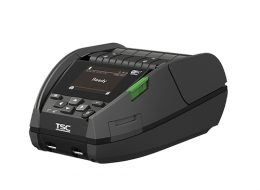
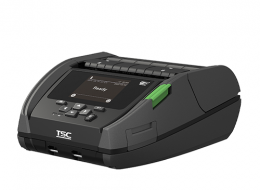
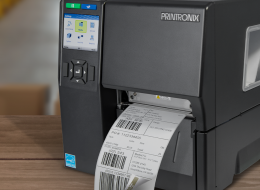
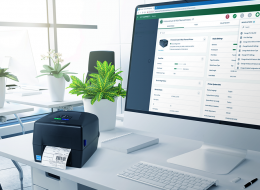
The data is encoded onto the RFID inlay using an RFID-enabled printer-encoder, such as the TH DH RFID, MB241 RFID or T6000e RFID. The label can also be printed with human-readable information, traditional barcodes, product identification or shipping details, allowing a single label to support both RFID and conventional scanning systems.
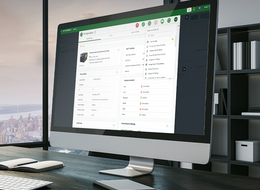
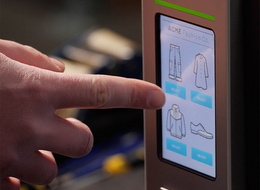
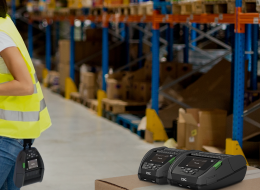
Once applied to a product, the RFID label is detected by RFID readers installed at key points such as handheld devices, portals or gateways. As products move through the supply chain, data can be captured automatically and integrated with local systems or cloud-based software, giving businesses access to accurate, real-time visibility of their inventory and assets.
TSC RFID Label Solutions
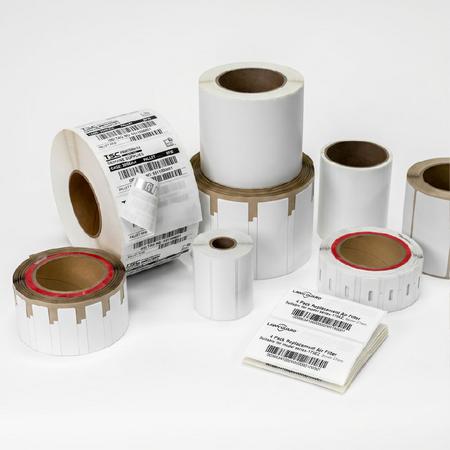
TSC RFID Labels support a wide range of applications with access to an extensive selection of inlays and face sheet materials. Whether you require a specific chip, inlay, or compatibility with existing specifications, our team can help define the right RFID label construction for your needs.
TSC RFID Labels for Every Application
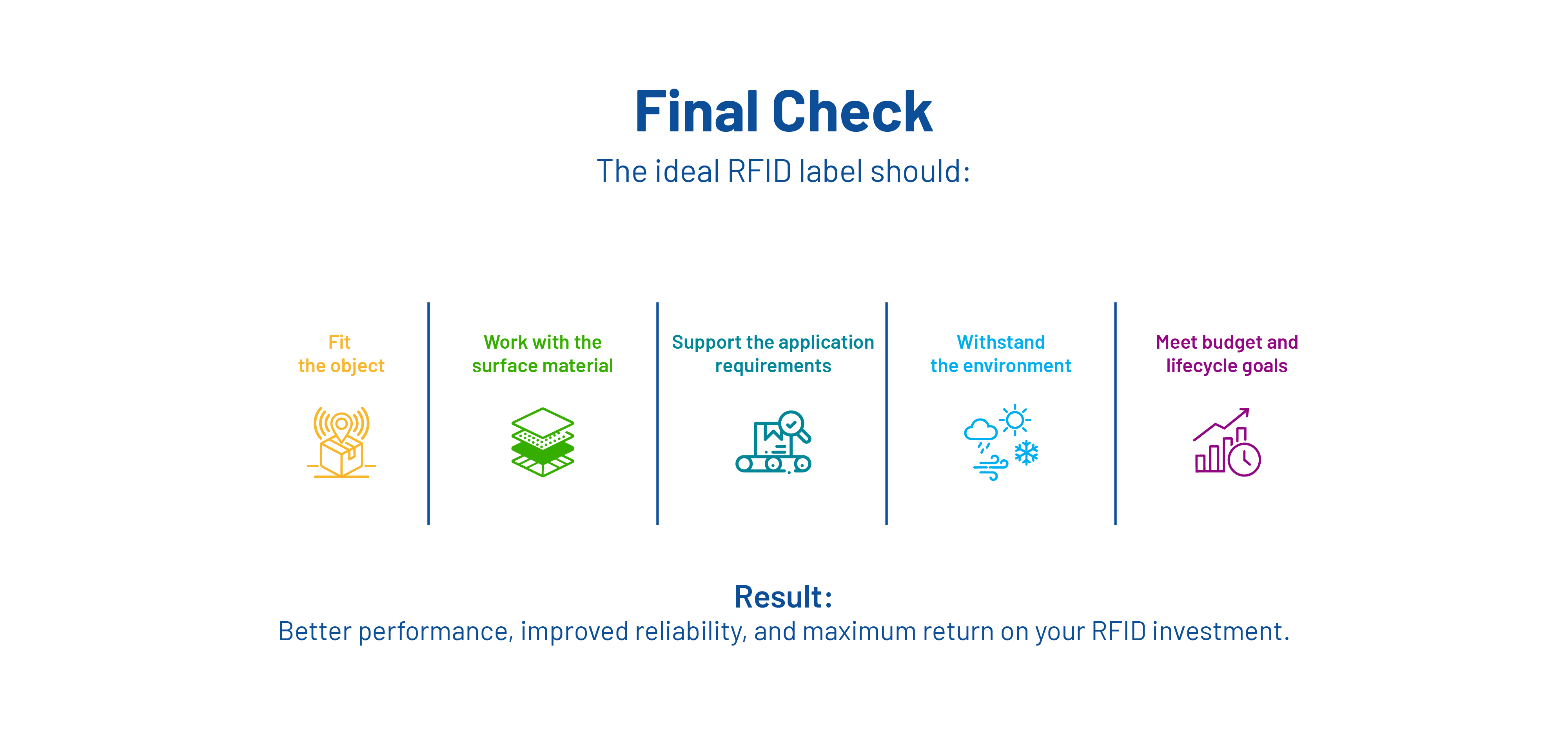
With access to a wide range of inlays and face sheet material, TSC can support nearly any custom RFID label construction. Whether you require a specific chip or inlay, or need to confirm compatibility with your existing specifications, our team is here to help. Contact us to discuss your requirements and we'll provide expert guidance to ensure the right RFID solution for your application.Guaranteed Performance
Genuine TSC Auto ID RFID labels are designed and guaranteed to perform reliably. Every RAIN RFID label is thoroughly test and certified in our RFID label Verification Lab to ensure consistent, optimal performance with TSC Auto ID RFID printers - so you can deploy these products with confidence. They are also compatible with most industry standard printers including Zebra and Datamax.Custom RFID Labels
In addition to our standard RFID labels, we can provide custom RAIN RFID labels. With access to a huge array of inlays and face sheet material, we can support almost any custom RFID label construction, including speciality requirements such as on-metal.
Technical Properties
RFID labels typically come with either High Frequency (HF) RFID, Near Field Communication (NFC) chips operating at 13.56MHz, or Ultra High Frequency (UHF) RFID chips operating in the 860-960MHz band. The specific frequency used can vary depending on the region. For instance, the EU uses the 865-868MHz band, North America typically uses the 902-928MHz band, and other regions like China and Japan have their own designated frequencies within the 860-960MHz range.
The operational principles of RFID technology revolve around the use of radio waves for communication. There are three types of RFID systems: passive, active, and semi-passive. Passive RFID labels, the most common type, have no power source and rely on the energy from the reader’s radio waves to power the chip. Active and semi-passive labels have their own power source, which allows them to broadcast their own signal, resulting in a longer read range and larger physical shape.
The RFID chip in the label stores data, which can be a simple identifier or more complex information depending on the type of chip and its memory capacity. This data is encoded in a specific format that the reader can interpret. When the label is within range of a compatible reader, the chip is powered, and it transmits the stored data to the reader. This process allows for the efficient and accurate identification and tracking of items.
Types of RFID Labels
RFID labels can be categorised in several ways depending on their design and use case:
By Frequency
- UHF RFID Labels: Long-range, ideal for bulk scanning and logistics
- HF/NFC Labels: Short-range, suitable for secure interactions and consumer engagement
By Application Surface
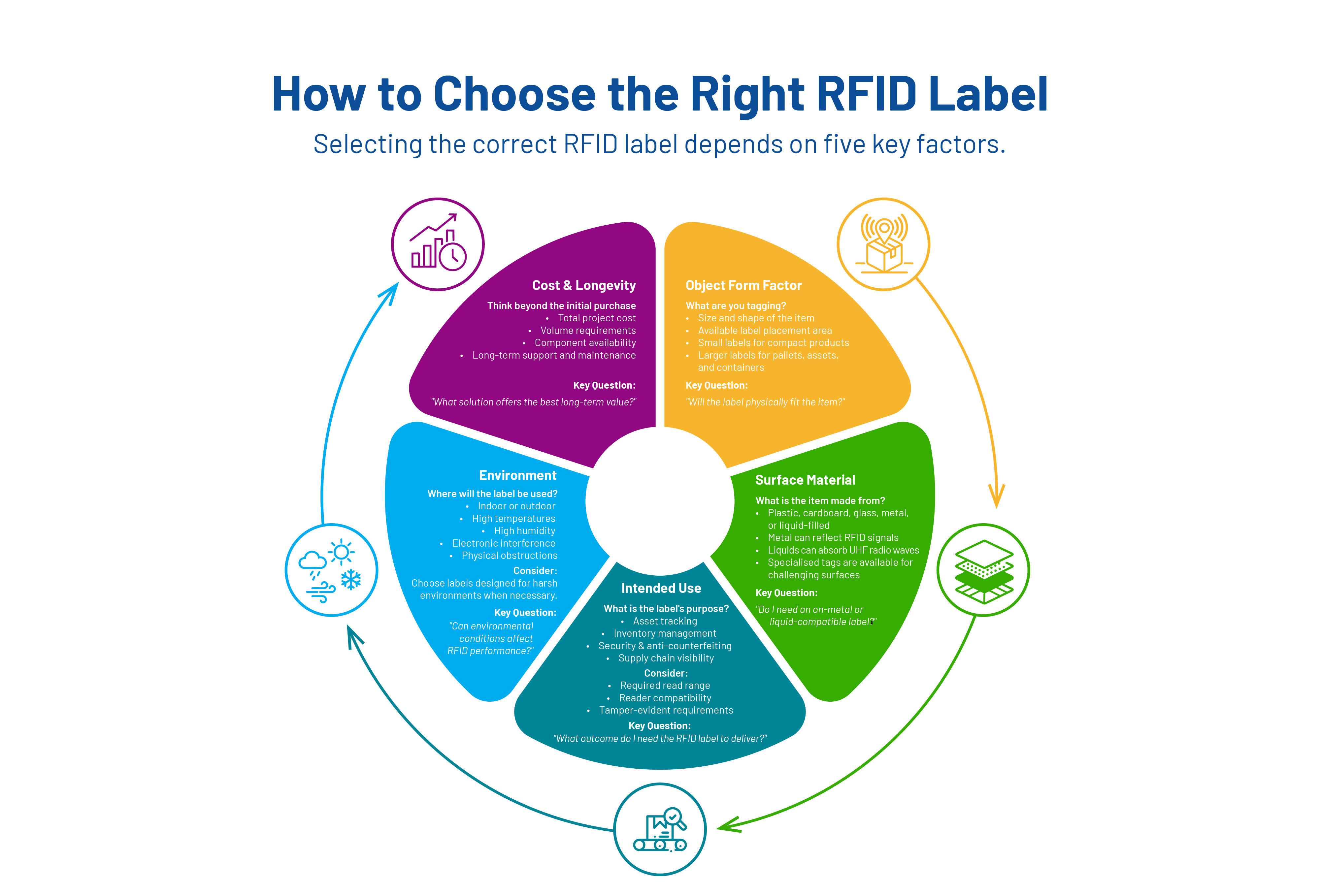
- Standard RFID Labels: Suitable for general-purpose use on non-metal surfaces
- On-Metal RFID Labels: Designed to perform reliably on metal surfaces
- Tamper-Proof RFID Labels: Provide security by indicating interference or removal
By Environment
- Durable RFID Labels:
Built to withstand harsh conditions such as extreme temperatures, moisture, and chemicals
Ideal for industrial and outdoor environments - Disposable RFID Labels:
Cost-effective options for short-term use
Common in logistics and packaging applications
- Durable RFID Labels:

By Encoding Type
- Read-Only RFID Labels:
Data is permanently encoded during manufacturing and cannot be altered - Read-Write RFID Labels:
Data can be updated multiple times, offering greater flexibility for dynamic applications
Common in tracking, shipping, and asset management
- Read-Only RFID Labels:
Advantages of RFID
Adopting RIFD Labels presents numerous advantages across various industries, with the primary benefits revolving around efficiency, security, and versatility.
Benefits of RFID Labels
RFID labels can be attached to individual products, boxes or pallets for use in data collection and tracking. They provide a number of benefits to traditional barcodes including:
- Doesn't require direct line of site
- Faster read rates, from farther distances
- Able to simultaneously read multiple RFID labels
- Information can be updated on demand.
- Item-level serialization.
Efficiency
RFID labels greatly enhance operational efficiency. They enable fast, accurate and automated data collection, reducing the need for manual data entry and the errors associated with it. In retail, for example, RFID labels make inventory management and checkout processes significantly faster and more accurate. Across supply chain and logistics operations, they streamline warehouse management and shipment tracking, saving time and helping to improve customer service.
Security
RFID labels can significantly improve the security of assets. They can be used to track assets in real-time, providing invaluable data in case of theft or loss. Moreover, tamper-proof RFID labels can indicate if an item has been tampered with, making them an effective tool for ensuring the authenticity of products and preventing fraud.
Versatility
The versatility of RFID labels is evident in their wide range of applications. They can be customised to fit different sizes, shapes, and environmental conditions, making them suitable for various industries, from healthcare to manufacturing. Whether it's tracking patients and medical equipment in a hospital, managing livestock in agriculture, or controlling access in security systems, RFID labels can cater to the unique needs of each industry.
Real-time tracking and visibility
RFID labels provide real-time visibility into the locations and status of assets, people or products. This real-time tracking ability is crucial for optimising operations and making informed decisions in many industries.
Scalability
RFID systems are highly scalable, allowing an organisation to start small and expand the system as its needs grow. This makes RFID labels a cost-effective solution for businesses of all sizes.